Pagoda Phuoc An Hoi Quan
Pagoda Phuoc An Hoi Quan
Chinese pagoda in Cholon built in 1902 by the Fujian congregation, famous for its ceramic roof, statues of Quan Cong and its sacred horse ritual.
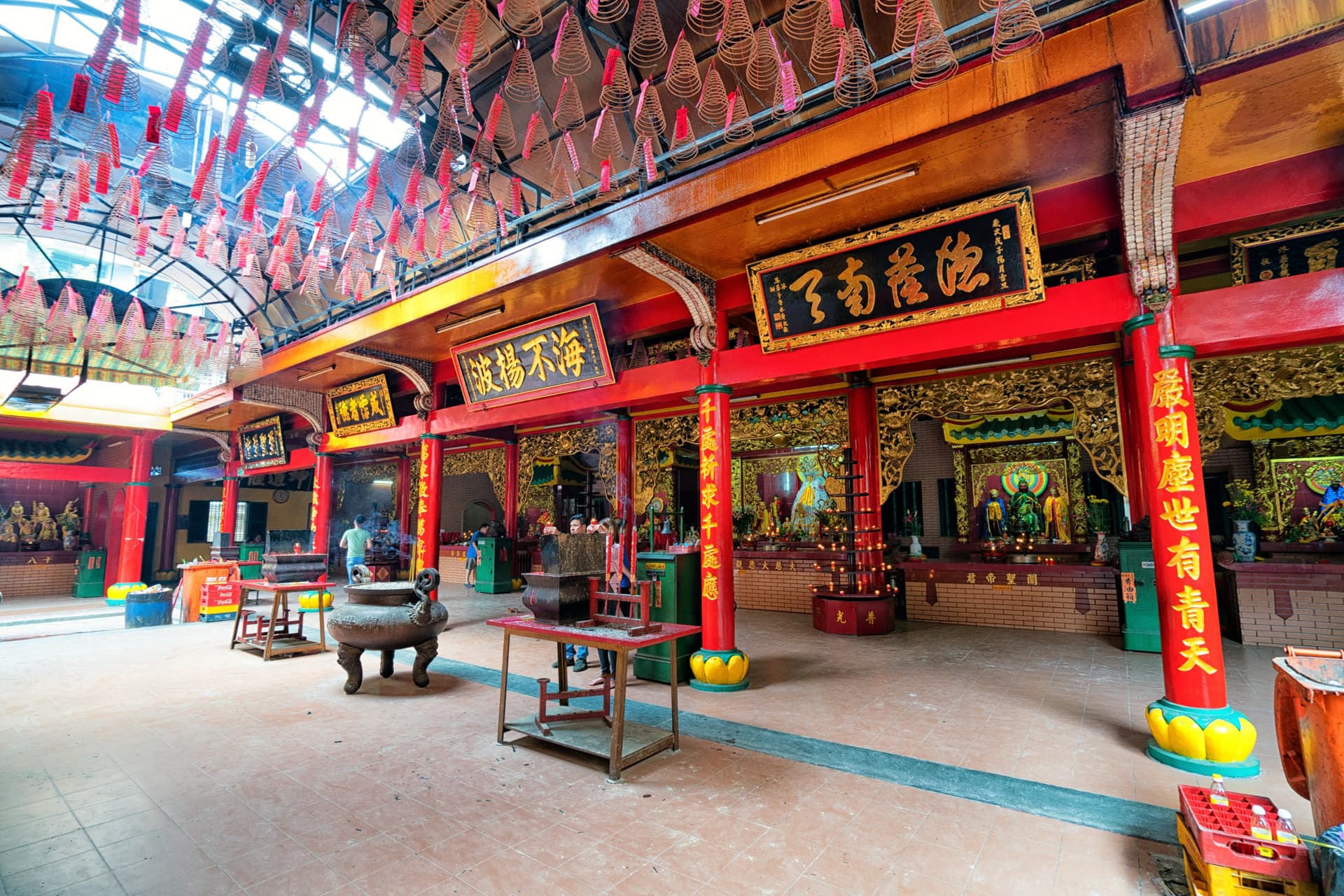
Built in 1902 by the Chinese Fujian congregation, Phuoc An Hoi Quan Pagoda rises in the Cholon neighborhood, at the heart of District 5 in Ho Chi Minh City. It reflects the devotion of Chinese merchants who came to settle in southern Vietnam and remains today an active place of worship, frequented both by the local Chinese community and by visitors curious about religious architecture.
Why visit Phuoc An Hoi Quan Pagoda
This pagoda stands out for the density of its ornamentation: colorful ceramics on the roof, wood sculptures, porcelain miniatures and finely carved religious objects sit side by side in a relatively compact space. Three main reasons motivate a visit:
- An architectural testimony to the Fujian Chinese diaspora in Vietnam
- A sculptural collection dedicated to several deities in the Sino-Vietnamese pantheon
- A local ritual still practiced around Quan Cong's sacred horse, to be performed before a long journey
Access is free and the visit is brief (plan 30 to 45 minutes), making it easy to include in a broader tour through Cholon.
History and founding
The pagoda was built in 1902 by the Fujian congregation, one of the main Chinese communities established in southern Vietnam from the 18th century onwards. Like many similar buildings in Cholon, it served a dual purpose: communal house for the community (hoi quan means "assembly hall") and place of worship.
Chinese congregations in Saigon-Cholon were organized by province of origin. The Fujian congregation, particularly active in maritime trade, funded its own temples to honor the protective deities of sailors and merchants. Phuoc An Hoi Quan Pagoda reflects this heritage through its dedications and decoration.
What to see inside
The roof and ceramics
The roof is adorned with countless small ceramic figures representing mythological scenes, symbolic animals and Chinese historical figures. This decoration, typical of Fujian pagodas, testifies to the skill of ceramic artisans from southern China.
Main statues
The interior houses several major statues, arranged on altars:
- Quan Cong: deified Chinese general, figure of loyalty and courage
- Quan Cong's red horse: sacred mount placed at the entrance to the sanctuary
- Ong Bon: protective genius of wealth and home
- Buddha Thich Ca (Sakyamuni)
- The Goddess of Mercy (Quan Am)
Interior decoration
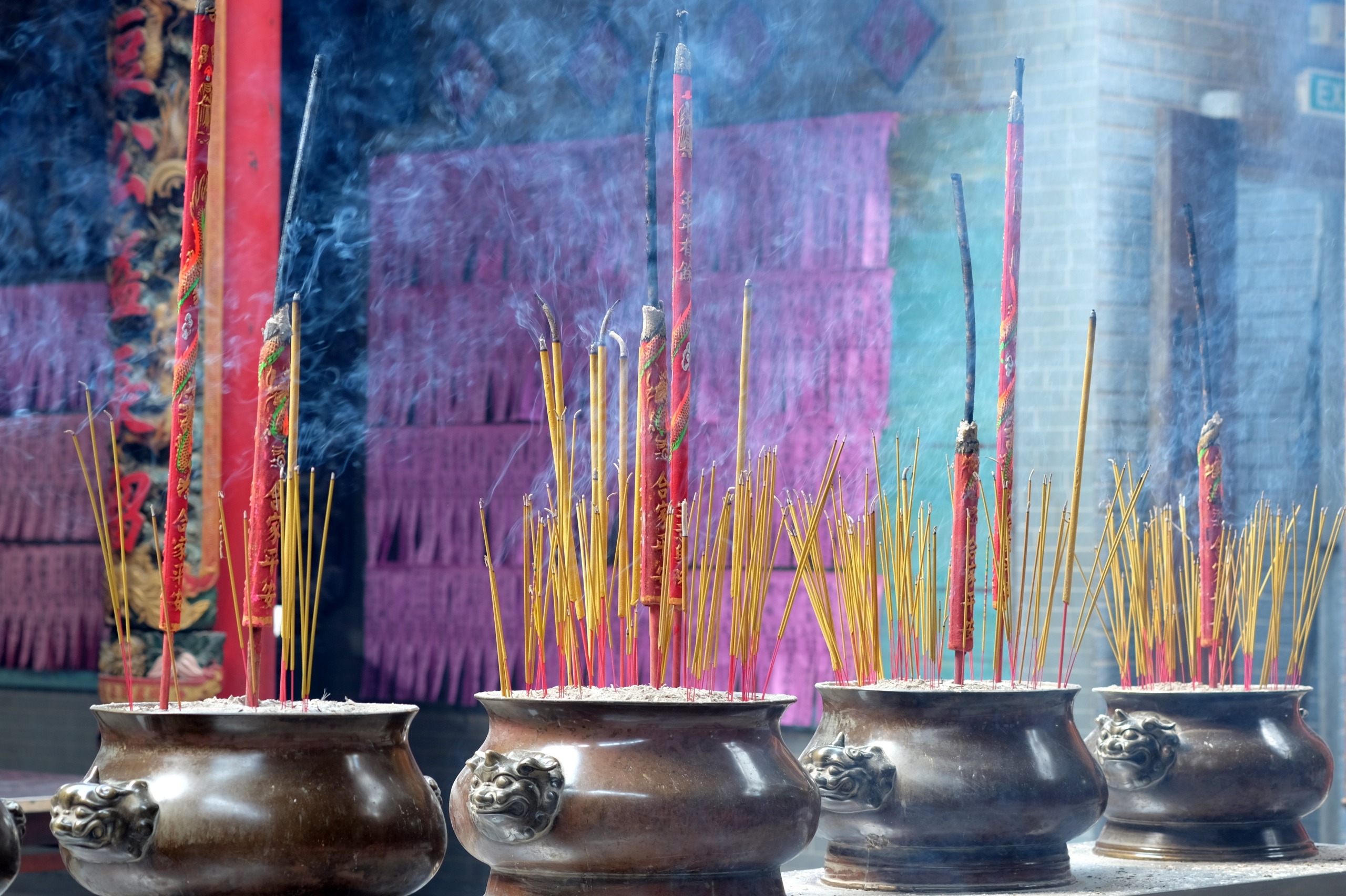
On the altars, columns, lanterns and walls, you will notice many porcelain miniatures, finely carved religious objects and polychrome wooden sculptures. The soft lighting, accentuated by the smoke from incense sticks, contributes to the contemplative atmosphere of the place.
The sacred horse ritual
A local custom deserves attention: before embarking on a journey, the faithful come to stroke the mane of Quan Cong's sacred horse and ring the bell it wears around its neck. This gesture is meant to place the traveler under the protection of the deified general.
Practical information
- Location: Cholon neighborhood, District 5, Ho Chi Minh City
- Access: taxi, Grab or bus from the center of District 1 (plan 15 to 25 minutes depending on traffic)
- Duration of visit: 30 to 45 minutes
- Entrance fee: free entry, donations welcome
- Dress code: shoulders and knees covered, as for any place of worship
- Photography: generally tolerated, without flash and with discretion during prayers
The pagoda can be combined with other Chinese temples in Cholon (Thien Hau, Quan Am, Nghia An Hoi Quan) for a half-day themed tour of Sino-Vietnamese heritage.
To combine with other stops in Vietnam
If you extend your itinerary in the south or elsewhere in Vietnam, several sites usefully complement this visit:
- Ba Den Mountain, about 100 km from Ho Chi Minh City, for a day trip
- Buu Long Mountain and Long An, another natural and spiritual site near the metropolis
- Cai Rang Floating Market, in the Mekong Delta, for an immersion in river commerce
- Cham Sculpture Museum in Da Nang, to deepen your knowledge of Vietnam's religious heritage
Prepare your trip to Vietnam
Phuoc An Hoi Quan Pagoda integrates naturally into an itinerary including Ho Chi Minh City, the Mekong Delta and the ancient imperial capitals. To build a tailor-made itinerary incorporating Cholon and its Chinese temples, explore our Vietnam tours designed with our Spanish-speaking local agents.
Cerca de aquí
¿Te interesa esta visita?
Podemos incluirla en tu itinerario personalizado.